
Episode 5 · October 8, 2026 · 56 min · Guest: Amber
How BIG Is Your Video Wall? Real Time Crime Centers and Dispatch
What a real time crime center (RTCC) or real time information center (RTIC) actually does, how a 22-year dispatcher built one from the ground up, and why dispatch belongs in the room
Hosted by Ashley Valenzuela and Megan Wilske, 911 dispatchers

About This Episode
Real time crime centers are changing how agencies respond to calls, and dispatchers are right in the middle of it. Depending on the agency, you'll hear them called real time crime centers, real time information centers, or real time awareness centers, but the idea is the same: live information from cameras, license plate readers and other technology, delivered to officers while a call is happening.
In Episode 5, Ashley and Megan sit down with Amber, a dispatcher of 22 years who, with her work partner, built a real time information center from the ground up at her department. She walks through what it took to get it running, how dispatch fits in, and why she set it up as an ancillary assignment for dispatchers so it keeps running long after she's gone.
If you've wondered what an RTIC actually does, how it supports the people on the floor, or how to get dispatch a seat at the table when your agency starts building one, this episode is for you.


What Is a Real Time Crime Center?
There's no cookie-cutter version. Each one is built around what its department needs, whether that's response times, officer safety, or a specific crime problem.
A typical example from the episode: a license plate reader gets a hit on a stolen vehicle, and the RTIC pulls up a nearby traffic camera to guide officers to where the car went, while they're still out looking for it.
Real time centers were most common on the East Coast after 9/11, and have been spreading west in recent years.
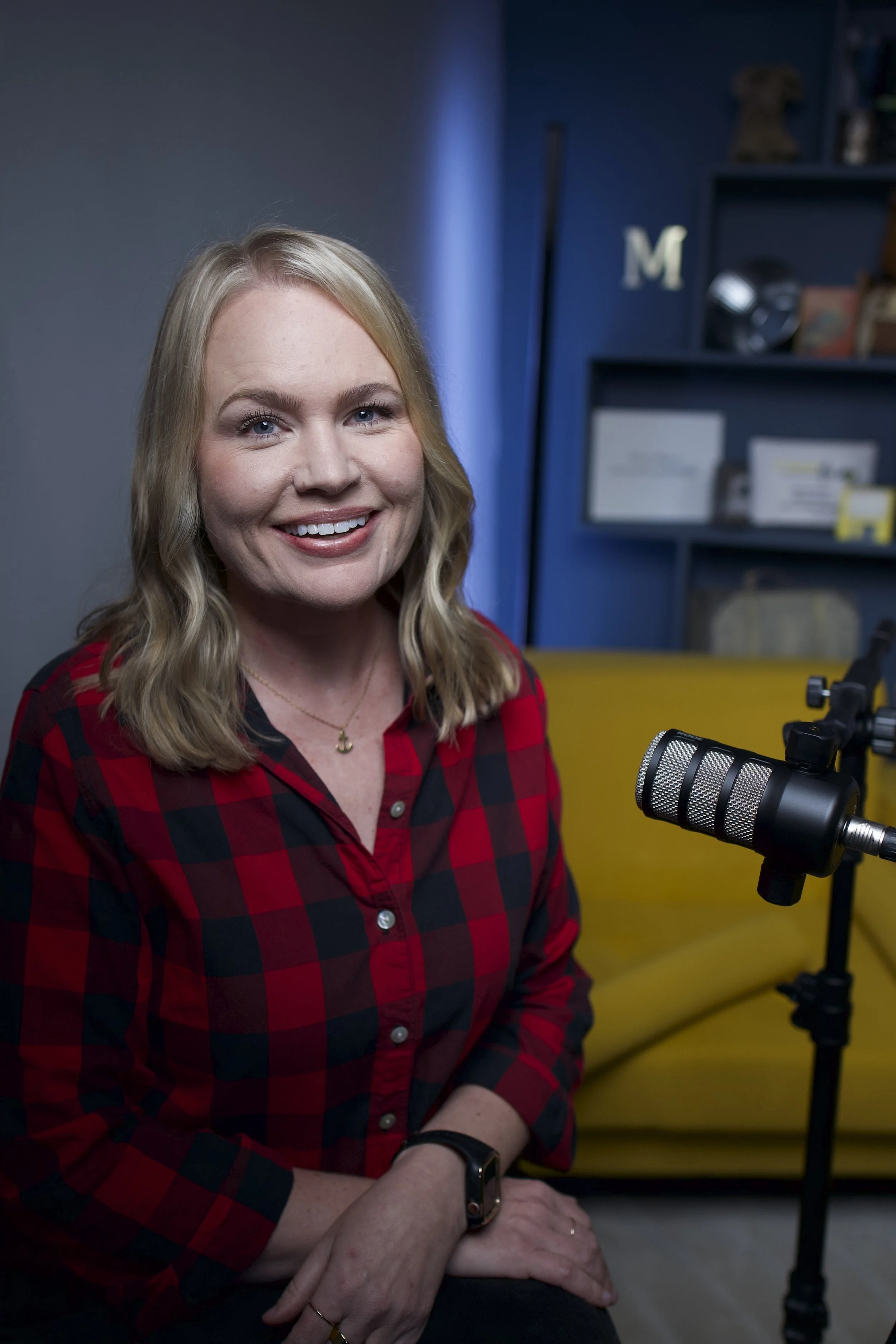
Meet Our Guest
Amber Wisgerhof
A 911 dispatcher for about 22 years. She started at her first agency in the East Bay in 2004, moved to her current agency in 2007, and recently moved over to the real time information center she helped build.
Key Takeaways
An RTIC gives responders live information, like cameras and license plate reader hits, while a call is still happening.
Dispatchers are a natural fit for RTIC work. They already know the calls, the units and the city, and they already work in most of the systems.
Making the RTIC an ancillary assignment open to dispatch builds a program that lasts, and creates real professional development.
If your agency is planning a real time center, dispatch should be in the room from the start.
Keep Listening
-
Timestamps:
0:00
Welcome back everybody, to First Call Readies Podcast.
And today we have a guest with us.
Ashley, anything exciting since the last time we met?
So many exciting things.
No, just kidding, just been working.
Just been working, working on the podcast and excited for today's episode.
0:19
It's a wonderful topic we need to talk about more.
Today we're going to talk about real time information centers, real time crime centers.
There's a couple different acronyms out there 'cause you know, we love some acronyms.
Love some acronyms?
Love.
Em can't live without EM we'll.
Refer to real time information centers today and refer to them as Arctics for moving forward.
0:38
And that brings us to our special guest today, Amber.
Amber, why don't you tell us a little about?
Yourself guys, my name is Amber.
I have been a dispatcher for about 22 years and started with my first agency in the East Bay in 2004.
0:55
I moved to my current agency in 2007, so 19 short years there.
I have recently moved over to our real time Information Center.
I am a proud aunt of three nephews.
I have a pretty cool rescue dog named Frank.
1:14
Takes off a lot of.
When dogs have people name, yes.
I feel like she should tell you why it's not Frank.
Though, OK, for those familiar with the TV show Shameless, there is a character by the name of Frank Gallagher.
And he just reminded me, you know, Frank.
My Frank's pretty scrappy.
1:30
And so it seemed like a fitting, fitting name for the guy.
And he's lived up to it.
It's been fun.
He's a little cutie too, I can vouch for that.
Very cool.
So 19 years nothings changed and nothing no do this.
No, no new technology, Yeah.
1:48
Map binders still the same, Yeah.
You know, I think it's interesting, you know, we grow up in a world right now where 911 is just so instant and it's it's been there forever.
But the reality is 911 has is only 60 years old, something like that.
2:08
And I mean, you've been in the game for 20, almost 20 years of that.
I mean, it's in its infancy, quite frankly.
You're not old, you've only been in it a third of its life.
So yeah, she said.
I might look you can feel 102.
But.
2:24
Dispatch years like.
Yeah, exactly.
Exactly.
Yeah, yeah.
Well, with real time information centers like I like to say that's kind of like new and trending, but like how long would you say this has been around?
So real time crime centers, like you said, real time information centers, real time awareness centers, agencies have all different names and Ackermans like we talked about that they love to use.
2:45
They were really more prominent in the East Coast for a long time post 911, really working on security, looking more like a like an FBI Control Center is kind of what they look like.
And I was lucky enough in 2022, Elk Grove Police Department hosted A symposium here on the West Coast, invited people from all over the country to kind of introduce, reduce us to what a real time crime center is.
3:08
So while they were more prominent on the on the East Coast, the West Coast hadn't really adapted that idea of really being on the forefront of technology.
And I think law enforcement in general is kind of behind the trends or has been historically behind the trends as far as technology goes.
3:24
So I went to a symposium in 2022 and absolutely fell in love with the idea, the concept.
It was mixing that investigation aspect that I think so many dispatchers love.
A lot of the dispatchers really want to dig in and, you know, get we're kind of nosy by nature.
3:39
Let's I mean.
This is true.
You know a nosy dispatcher is a good.
Dispatcher exactly exactly a.
Dispatcher's gonna find you.
Exactly, exactly exactly you did.
Half that day and we found the rest of it.
Yeah, exactly.
And your brother and your sister-in-law and your cousins.
3:56
Yes.
So I went to the Symposium 2022 just really, you know, film.
Well, like I said with the concept, with the idea, it was really something that I could see myself being a part of being involved in.
It really kind of sparked something new for me which I hadn't felt in a really long time.
4:13
As a brand new dispatcher, you're excited and you're, you know, everything's kind of new and you're anxious to learn.
And, you know, after doing that for 20 years, I, I was really ready to, to reignite something that I thought that I could find some passion in and, you know, hopefully provide some value to.
4:30
So that's, that's really well, like I said, they were kind of on the East Coast for a long time, moved over here and now they are popping up everywhere.
So you will hear most agencies in the Bay Area have some form of a real time crime center.
And what is for folks who have no idea what a real time crime center is like?
4:48
What?
What is a simple definition for?
That's a that's a great question and it's completely fluid depending on your department.
So there is no cookie cutter real time crime center, real time Information Center, real time awareness center.
It really is meeting the needs of what your department is.
5:05
So some department that could be we have a really high crime rate and this is where I want to focus on response times, officer safety and it's using technology that's out there.
So we are talking about license plate readers, we are talking about traffic cameras.
5:22
We're talking about being able to, you know, get a a hit on an LPR of a stolen vehicle, pull up a nearby traffic camera and guide officers to where that went.
So why officers are out looking for this car, we can say we see, we just saw it turn into a shopping center.
It's occupied by this many people and it can be used to do anything from, you know, these high crimes to quality of life, right?
5:45
We have, I remember talking to somebody in Fort Worth and I, they had a huge operation using their real time crime Center for illegal dumping.
Like who really would have thought in Fort Worth, you know, you think they're really busy.
You know, they wouldn't have the activity or the time to be able to, to invest in more of a quality of life issue.
6:01
There are real time crime centers that are very proactive, mostly not in California, but they're out using drone technology.
They're out surveying parts of their area that are very high crime and they almost serve as like an officer and, and are able to relay back to dispatch.
6:21
I just saw this drug interaction.
I just saw this, this firearm, you know, exchange hands and then officers on the ground can respond.
So it's kind of like virtual, almost like a virtual cover officer can be.
Yeah, some people are doing the proactive model, some are doing the reactive, you know, hey, we have a call.
6:38
We're going to, you said monitor videos ALPR and then also like you mentioned dispatchers, we'd be a little nosy.
So the Intel side of it right too.
And I'm sure there's a ton of technology related to that.
6:53
So that's a lot for a dispatcher to do because you kind of mentioned things that we have been doing in dispatch for so long.
So you're saying like, so that's where the intrigue comes, right?
You're intrigues you.
How do you bridge that with the with the dispatch center?
Like it'd be like, hey, I'm going to take some of your job, but to make it easier for you or right, you know.
7:13
And that's that is, you know, a great point and it's a very since 2022, really diving deep in learning as much as I can about real time crime centers and that's visiting them on my days off.
It's talking to people.
What is your model?
What I had heard over and over and over again, which is a consistent theme, was how important that relationship with dispatch was.
7:34
Dispatch coming from the dispatch world and being in the real time crime center, you don't want, we were very sensitive that we did not want people to feel like we were taking their jobs.
And again, agencies are so different.
You know, some are the dispatchers themselves because of activity might not have the time to do the digging that maybe some slower agencies do.
7:54
And that expectation for the slower agencies is that, you know, you really do a lot of that Intel gathering as a dispatcher.
Some agencies, you just don't have the time to do that.
You know, for the department that I was in, the dispatchers were doing a lot of that Intel gathering.
And we had talked a little bit about the change in our kind of our job descriptions over over the years, right?
8:15
And they started layering on this technology and who did it fall on.
It fell on the people that are sitting there at a desk 24/7 and have a computer in front of.
Them give it to dispatch.
Yeah, exactly, exactly, exactly.
And it just became something's got to give at some point, right?
8:30
You can the expectation to to use all of this technology while also answering the phone, while also talking on the radio, while also backing up your people while also making sure everyone's got a break.
It was really important for us to alleviate some of that from dispatch.
Let them get back to, you know, not feeling so overwhelmed, just taking phone calls and really getting back to like the fundamentals of of what dispatch is and at the same time not making them feel like you're taking the fun out of it, right.
8:57
These are the things that I really like to do.
So it was very, very important that we made sure when when I presented the idea of a real time crime center, we sat down with every single one of the dispatchers, every single one one-on-one to explain to them what we were doing, to get feedback and let's.
9:13
Lean in on that.
We'll start there because I think this is a big part of why we were excited to have you all.
So your dispatcher is still currently classified as a dispatcher agency.
Let's talk about how this came to fruition for you and what you did.
So that again, our we love our dispatch community.
9:29
These might be people that never haven't set foot in the Comm center yet, but they're aspiring to be.
So kind of speak to that like what you put forward, It's so unique and.
Yeah, yeah.
And this while my kind of passion and what I saw that the department needed was was this real time Information Center.
9:47
I think that this could apply to anything.
Any dispatcher who sees something in their agency that may be lacking or something that you really want.
You know, maybe that's a a therapy dog program or it really could be anything that you see that's that would be interesting to you that's lacking.
10:02
You can this might apply.
So it doesn't have to be that you are looking at a real time Information Center necessarily, but I went to the symposium in 2022.
Really like I said, really this is something I really wanted to see develop at my agency.
So I kind of became engrossed in it and did a lot of research and became involved in organizations that I would be able to network with people, learn from people, do sit alongs at real time information centers, really learn what it would look like at my at my department.
10:36
This took years, years.
And what I do want to get across to people is that it's it's going to take some time and some patience and things will align.
And so much is about timing.
So for me, for a long time, a real struggle was, and we all know dispatch staffing terrible always.
10:58
It's a constant struggle.
So I knew that that was going to be one of my challenges that if I did ever want to transition on a collateral basis out to do something different, staffing would have to be at a point where I was able to do that without overly impacting the rest of the team.
11:14
And that took a long time.
And this is wood, right?
We were at a full staffing situation out, you know, several years later we're, we're talking about 2025 SA.
Few years later, we're at a decent staffing, we're fully staffed.
11:29
And I had worked with lots of organizations and done a lot of training, solidified my knowledge base.
And then we had a new chief and we had a chief that was willing to embrace technology, was kind of really ready to take that on.
It's a, it's a big, you have to, you know, talk with City Council.
11:45
You have to get a lot of people on board.
So we had a chief that was really ready to to listen and support those ideas that we wanted to do.
My partner and I went and created AI don't know, 3540 page PowerPoint and presented it to command staff and they said, yeah, yeah, we'll give you 15 minutes.
12:03
You can have 15 minutes and tell us, tell us what you have going on. 35 slides, 15 minutes.
Yeah, exactly.
We got that.
Now you're talking to a dispatcher.
We can get this done.
So we basically tried to come up with a solution for any question they thought we might have.
12:19
What is this model that you're looking at?
Well, ours is going to be a strictly reactive model.
We will use technology not to do any kind of Big Brother surveillance.
It's strictly in response to a call for service.
What, what is the staffing going to look like?
How are you guys going to staff this and what hours are you going to staff it?
How are you going to do that?
12:35
And we pulled data and had receipts for why we thought that the hours that we were recommending would be the best.
Were in a position where we knew that the city had no budget, had no finance to to, to introduce this unit that we were trying to start.
So ours was very much a cost to neutral approach, which is what we called it.
12:53
And we basically said can we pull out, we're at a dispatch, the traffic cameras that the city has right now that is used by traffic engineering, we have gotten approval to tap into those.
We were in mid process of a LPR expansion.
So like we're going to have that, that's not going to cost us any additional money.
13:12
And it's just we have these tools.
We just don't really have somebody who's able to dedicate any time to use them and to support patrol and investigations and dispatch.
That took a lot of time that that it was yours too.
But but the timing was right.
13:27
We had, we had some things that aligned, you know, we had stayed irrelevant in the space.
Dispatch staffing was at a point where we could pull me out and not be affecting the rest of the unit and had a chief that was embracing it.
So that's kind of where we started.
I just love that you outlined and everybody hear this, a dispatcher saw took a passion project, a passion and made it a project and took the initiative to introduce it and not just sit back on it and say we should do this.
13:57
And then not like you said, come with receipts.
And I think that that says a lot is there's a lot of it.
It doesn't have to be real time, right?
Anything in dispatch?
Well, I think that a lot of times when we talk about change in our centers, especially coming from like Frontline staff, they can, they can get in the, we get in our own way, right.
14:17
And you we have to understand it's, it's politics, it's a business, our departments are a business.
And you have to approach with that mindset when you're trying to implement something, even if this, even if that's something is beneficial and is, you know, really supporting the dispatchers or whatever unit, right, You got to answer to the business side of things.
14:41
What's it going to cost us?
Yeah, how can we implement it?
How?
You have to have those answers and you have to be willing to go get them because no one else is.
Going to get them for.
You so I think that is definitely like you said, speaking to anyone in a center.
We make our centers better.
14:57
You know us frontline, not just management, we partner with management, but there's no reason for you to wait for management to come make your center better.
You can do it yourself.
You absolutely can and you can it almost, it felt a little, I'll be honest, it felt a little weird at first because I kind of felt like I would normally think that a department would see a need and then you'd have more command staff that would be like, this is what we want to, this is where we see a void in the department.
15:24
This is what we want to do by us kind of getting ahead of that really became beneficial to us because we became the SM ES right back with our acronyms.
We became like the subject matter experts, right?
We were able to the end user, the people who are really going to be using this all of the technology, the workflow.
15:42
We were able to really have a voice and saying how we thought that that would best go because we didn't have someone telling us what we were going to, what we were going to do and the freedom to.
While it took a lot of work on the front end, it really was a benefit at the end because there was our and luckily our department trusted us to kind of run with it.
16:05
Well, you really brought up a good point too, is the, I think we all kind of sit back for a minute and that waiting for management command staff.
Oh, I want them to bring it forward and I want to do that.
But I would say as they're juggling so many things, by the time they get up to speed and become an SME or present something themselves with all the other things they're juggling, this is actually a way to really speed that up and show that, OK, someone's already done the work.
16:28
You know, like it's our job to just poke holes in it to make sure it's, you know, solid and we can easily.
Yeah, yeah.
I like that approach that you're like, I'm we'll just do, do all the work.
And I'm sure it sounds like it was a heavy list, but that benefits your whole department, right?
You're you're not only helping the dispatchers.
16:44
It was and that was a big sell too, you know, talking about, you know, how, how does this help patrol and officer safety, right?
If we have an officer at an intersection where we, you know, have a, a camera like I, I, I do have an, an example.
We had a call dispatched and received a call of an agitated subject.
17:00
He was, you know, ripping signs and, and officers went on scene and we were able to, to get a visual of that and they ended up going hands on.
The officer had a very quick mic, open mic click and the dispatcher was trying to raise him and I was able to come up over the radio and say, you know, he's not going hands on with somebody and that's why he's not able to.
17:18
So it's benefiting across the department.
The we can insist investigations.
We're not always doing real time, 24 hours a day.
We spend time assisting investigations, right?
Let's say that there is a case that or cases that come in over the weekend, we can review those before a detective even gets assigned to them and look and, and start doing LPR research or or camera research or check with other agencies about similar crimes, match up with using some track Flyers.
17:46
There's always work to be done and it's supporting, it's helping alleviate dispatch with some of their stuff, helping with patrol officer safety investigations.
We're starting to loop in our streets department, our water department, our EOC.
How can we help if we have some sort of natural disaster?
18:04
I live in an area that has been riddled with earthquakes lately, which has been super fun.
OK, In fact, I am terrified that a volcano's gonna pop up because of Bill Nye, the science guy.
Back in the day, he was like when the plates rub.
18:21
That's how volcanoes are formed.
Now I know a volcano realistically isn't gonna pop up, but my But Bill?
Told you in.
My But my fear is that with my luck, it'll pop up and the way the way that that city has been been.
18:37
Been shaken, let me tell you.
It's been a lot.
It's been a lot.
So looping in your emergency operation center, right for how, how can this actually benefit citywide, maybe not just your Police Department, it feels.
18:53
Like parks probably, right, Because you like, if you have cameras in the parks, I'm sure there's a lot of, you know, a lot of crime happens.
Yeah.
Where depending where you live, drug dealers, vandalism, whatever.
Yeah.
Well, so that's really like a really broad audience that you can definitely reach out to and help.
19:10
And you mentioned earlier dispatch centers, as you know, unfortunately are routinely understaffed.
So by you taking that burn them off, then they're just focusing on the task at hand, right?
It really helps them.
They're still multitasking, but it takes one of those 500 tasks off their plate.
19:25
So that's got to be.
How's your relationship between you and your your dispatch center like is that have that you know?
So it's interesting because when we decided to do our ones on one on ones with each of the dispatchers, we had kind of come to the assumption my partner also came, I was also a dispatcher.
19:44
So we had that background.
So my, my assumption was they were not going to want to hear us on the radio that often because I remember and that it's, it's the culture's changed a little bit.
But when I was in training, it was like, this is your radio channel, you're working the main channel, you own it, you're responsible for it.
20:01
There's some possessive feeling about that, right?
Exactly.
Exactly, exactly.
That's not me.
Like I am in charge of making sure that they get what they need, you know, taken care of, that they're safe, that the details are coming out the way they need to.
We were like kind of the impression or assumption that they really wouldn't want us overstepping on the radio.
20:22
So what we found, the more people we talked to, the more people, more of the dispatchers were saying we'd really actually prefer you hop on the radio as if you were an officer and just give us the information as opposed to entering this information in the call notes.
We have to go back to the call notes and then we have to put it out.
20:38
Kind of takes away from the real time.
Exactly.
There is, there is a bit of a delay there, but it was kind of interesting for us because we were like, oh, wow, OK, That really wasn't something.
And that's that's why collaboration is so important.
When you're doing something especially that's gonna affect dispatch in the way that it does, you're gonna wanna don't, don't assume what?
20:55
Yeah, exactly.
Talking to dispatch.
You wanna talk to dispatch before you implement a change that will affect mismatch.
And get.
Filing.
Mind blowing, but so important.
It was so important and I feel very there was another agency that we had gone and, and talk to and that was they, they started their center without anybody that had a dispatch background or really kind of understanding the fundamentals of dispatch or how it was going to affect dispatch.
21:26
So they build a real time in crime center Information Center without really ever looping in their dispatch.
And the first time that their dispatchers had heard what they were doing was when they asked them for a call sign, they asked them to create a call sign and they're like call sign for wait, what is what is going on?
21:42
What is this?
That's.
And you know, they said and the next thing you hear they're, you know, sitting at a table with some union attorneys for dispatch and going, are you trying to take our job?
Are you trying to eliminate us?
What are you doing?
Because there was no communication on the front end that no, we're just assisting you.
21:58
We're not.
We're not trying to take your job.
Well, I feel like that's something that I've heard come across often from the Real time Crime Center world.
For some reason, they're like sworn has to stop this.
And it's such a weird, I think it's a weird concept in general that we're not looping in personnel that we already have available to us.
22:20
Real time Pride Center be an example.
But there's so many options that this is, this is an ancillary role that you can make available to not only sworn, but dispatch.
And especially dispatch because we're already playing in these systems.
We already, we already are operating in most of these systems.
22:38
You're just giving us a little more access, right?
So I do find that that's a weird like a possessive thing that sworn has sometimes not wanting to include dispatch in this thing.
That is especially with Real Time Crime Center that is really our wheelhouse 1000%.
22:55
Absolutely and the skill set right, like those skill set really translates into into doing this and I've heard over and over again and I and I absolutely agree with this and it's true.
What makes a real time crime center is the is the people that are running it.
It's not necessarily the technology.
23:10
The technology can be good and bad.
It works, some days it doesn't.
And what good is a technology if you don't have the right person behind it that's willing to to dig and and do the work and find the answers and the patience to really do whatever it is at that point.
23:26
Your role is right is that is that supporting investigations?
Is that looking at the cameras, like the cameras can be there, but if you have if you don't have someone who has the passion and the skill set to be able to to multitask, to be able to make those decisions in and A and A and a in a way that you know, during stressful times, right?
23:43
You make your decisions when based off like a lot of times stress what you're under a lot of stress.
I think that dispatchers have so much to offer, like department wide that yeah, we they do often get get overlooked and it's unfortunate because a lot of times they are willing to put in the work.
24:00
They are the people who will do it.
They're the doers.
They will get the job done was very important and I've heard over and over again that it makes a lot of sense to have dispatch in this role and I think that that would be true for a lot of collateral assignments outside of a real time Information Center.
24:16
Which is a good point because you have a unique situation where you, you establish that dispatchers have the aptitude to work in this role or kind of doing it already.
So in your situation, you were talking about how like you're still a dispatcher though.
So like you're just like visiting in the in the real time Information Center.
24:34
What were the dynamics on how you how that was kind of set up for you?
What we wanted to do was open a collateral assignment or a special assignment.
We were thinking similar to an officer gets to rotate to motors, or they get to rotate, rotate to detectives or they get to rotate to SRO or an undercover unit.
24:50
I mean, there's like so many opportunities for them.
Where are the opportunities for dispatch to love it?
Yeah, get out of dispatch.
You have lots of opportunities for more work to fall on your plate.
Lots of.
You know we want to keep them, so let's give them options.
Yeah, yeah.
But and you know, for us it was, you know, you can be a trainer, you can be a warrants clerk, you can, it was a lot of addition to your dispatch, but no real opportunity to actually get out of dispatch for some period of time and be able to, you know, do a collateral assignment, a true collateral assignment outside of dispatch.
25:23
Our proposal was that this would be, we would model like a like an officer like coming out and doing a special assignment.
So I have a for your special assignment out of dispatch and we really wanted it to be an opportunity that if dispatchers were interested, they could put in for it.
25:40
It has been really eye opening for me.
I think it's going to when I work overtime in dispatch or I'm back in dispatch, I have such a, a better understanding of kind of what is going out in in, it's going to make me like a better dispatcher and a better call taker.
Having that perspective of being out of dispatch and seeing, I think for example, a, you know, a dispatcher, we take a call.
26:01
All of a sudden from my perspective, being out of dispatch, it really matters to me, time frame, exactly which direction somebody went in all that stuff that maybe I didn't think as much about when now it's something that the officers would want to know, but maybe it wasn't on my forefront.
26:17
It's interesting how I think that at the end of the day, this is also going to make me a better dispatcher.
You know, one of the things we talk about all the time at First Call Ready is that our profession deserves better.
Better training, better support, better tools, better leadership.
That is exactly why we're excited to partner with this Gen. 911.
26:35
They're helping emergency communication centers hire better, train faster and support their people.
Through realistic call simulations, immediate coaching, and tools designed for everyone from trainees to supervisors and directors, they're helping build stronger teams behind the headset.
26:52
Because when dispatchers have the opportunity to practice, learn, make mistakes, and grow in a safe environment, they show up or confident when the real call comes in.
They're investing in the future of emergency communications and helping create the kind of profession we all want to be a part of.
27:09
Now let's get back to the show.
Yeah, I think collateral assignments, ancillary duties, it's it ties into professional development.
This, like you said, it makes you a better dispatcher and opens you up to information and knowledge and feedback from all these different people and angles that you're limited to in when you're in the center.
27:30
So it really is these collateral assignments, a opportunity for a professional development, which is why it's so important for agencies to work these into they're centers.
The fact that you were able to get this in front of your command staff, get this approved and now it's alive and well.
27:48
And, and you know, once you're done with someone else will get to experience.
That's amazing.
And that that keeps people at your center.
A lot of times said it before, like I'll take, I'll take a $30,000 pay cut to go to a center where I at least enjoy going to work every day, right?
28:06
You know, so finding ways to help people enjoy the work they're doing.
I think the old way our departments think is that you, you have a job, you should be happy and that should be enough.
Yeah, it's not enough.
It's not enough.
28:24
I can go get a job anywhere.
It's it's not enough, you know, So when we're able to reasonably help our people get some enjoyment in this career that they're doing, we should do it.
And that's a huge retention piece because we talk about we're not fully staffed.
28:42
We're getting people in and then keeping them because like you've been in the business, you're 2020 years addition now.
And it's, we want that because we invest so much in our people, right?
We want them to stay for that long.
We want you to stay for that long.
28:57
However, this might give someone that, hey, I'm a little burnout on dispatch.
Here's a break.
And then you come back in rejuvenated or you find another passion too, you know, like I mean like you just move on to the next.
So I love that you it's, it's your passion project, but it wasn't self-serving 'cause you're like, I'm trying to leave something behind.
29:17
You know what?
I mean, that was important to me that this was, you know, an opportunity not just for myself, but for all dispatchers.
If that's something that they were interested in, I wanted them to be able to do that too.
And I think that I the circumstances, while it took time, I did get very lucky with the opportunities and the trust that the department gave me and my partner to kind of run with this.
29:42
I think it's important for me to also recognize that that is not the case for everybody.
And there are people that are going to present and have great ideas and not be heard.
And whether or not it's, it could be because they're coming from dispatch and they just haven't their department culture is that they're not respecting that opinion or who there could be a lot of different reasons on why you are not being heard.
30:07
When you find something that you want to implement at your department and you've done the work and it just no one's ready to hear it at that point, I feel like there's got to be some sort of happy medium.
Like I said, I think I got lucky, but it's important for me to also recognize that people are going to have challenges outside of what I did and that sometimes you do have to cut your losses.
30:30
And if you there, there, there's got to be that happy meeting between the patients that it takes the hard work that it takes to get there.
And also knowing when it might be a little.
Sometimes it's braver to actually cut your losses if you know that you're, you have to kind of feel for your gut, right?
30:50
And I had opportunities to leave and do real time at other agencies and it just in my gut, I just really wanted to stick it out.
And that's not maybe the right path for everybody.
And sometimes as much as you, you know, you don't want to leave if you if you really do feel like you are, you just don't ever see an end to it.
31:10
I mean, you're doing all this work and you're not being heard.
Sometimes leaving is is the right thing to do.
I mean, sometimes that's the brave thing to do is to not stick it out.
And really you've mentioned before find you're happy in it.
It may not be at the agency or whether that doesn't work for you.
A. 1000% you know not all agencies are created equal no.
31:29
And I think one of the biggest things that I, you know, tell aspiring dispatchers is you need to do the work to figure out what is the right agency for you?
What is important to you?
What's the culture?
What are the ancillary duties?
31:45
What are the collaborate like?
What full package?
You know, my, my methodology of recruitment is you should be being recruiting people like they're D1 athletes.
We need you to come play for our team.
That's we're not, it's not 3040 years ago where we have 1 opening and a thousands of applicants.
32:04
It is the complete opposite.
And I think a lot of our departments are still in the mindset thinking like we're the prize as the department's the prize.
We are no longer the prize.
We need people and we have limited amounts of people.
32:21
I mean, we can barely get people through backgrounds.
Yep, half the time.
So let's start acting like we know what the the temperature is out there and let's give people a reason to wanna work here other than I'm giving you a consistent paycheck 'cause it's just not.
Yeah.
Absolutely.
32:36
And if you are in a place where you're in a center, first on, on the stuff, be accountable, right?
There's a lot of things that we can harp on that just are not valid.
And you know, you just got to got to take that one on the chin and keep it moving.
32:52
But if you're doing all the right things, you're presenting the stuff, you're a positive person in the center, and all you're hearing is no, no, no, no, no.
For 12 years, like, yeah, it's OK to look elsewhere.
And I tell my people all the time, my job is to develop you to be the best professional out there.
33:13
So you have the tools to leave us, but we give you a reason to stay.
Yeah.
That is, that is, you know, I want you to choose here, but I'm not going to prevent you from going.
We're going to, we're going to teach you, we're going to, you know, train you up.
We're going to empower you, blah, blah, blah, blah, and want you to put all that back here.
33:32
But if it, you know, if you go somewhere else, spread your wings a little Birdie, please, with all of our love and support.
Because we can't control the opportunities, right?
Like you can't.
You had a unique situation, a fully staffed dispatcher with a dispatcher to give like we, we, we know that's not the.
Little bit of a Unicorn, right?
33:49
A little.
Bit of definitely yeah and so I say to that is and especially to Ashley's point is like that's what like you got to find you're happy and like you know sometimes you get to like.
I also like to preach a lot about move out to move up like sometimes that just.
But if you're making yourself valuable and every day is an interview, then you're writing your ticket for like this.
34:09
You did the work and put it, but you probably have dispatchers in your center that are like, I'm putting in for that when she's up because I'm intrigued by this now.
And they're putting their best foot forward every day.
You know what I mean?
And it's like, here's an opportunity.
They didn't create it, but now there's an opportunity for them.
34:24
So if you're making yourself valuable every day, who knows what?
Well, like, how cool that you've created this opportunity for dispatchers in 1520 years down the road that centers that that real time writing center is going to grow even more.
Technology is only going to advance.
34:40
Yeah, things are only going to and in the next 1015 years, it's still going to be a dispatcher.
Yeah, running that center, doing that collateral like, and you created that for this department, for these dispatchers, which I think it's freaking awesome.
Definitely leaving a legacy.
I hope so.
I hope so.
34:56
That was yeah.
That was the plan, giving us some, some external opportunities to kind of get out of the center and, you know, be able to showcase what, what we can do outside of the center, which is a lot, there's a lot of transferable skills.
And yeah, I mean, I, I got, I, I do feel even though that it took several years, I'm in a good position and I got lucky.
35:14
And I just want to recognize that that's not going to be the case for everybody.
And you do need to follow, follow your gut.
Like I said, if you are doing all of the right things and you're putting in all of the work and it's been multiple years, it's, it's OK to to say I I could probably make this happen somewhere else.
Yeah, yeah.
35:30
Yeah.
And you say a couple years.
So did it take a couple years to come to come to fruition or like when you got the green light your command stops like go?
Yeah, so we, we kind of got the the green light and it this is kind of funny.
So we've been dipping our toe in this and, and, and feeling, feeling out, you know, several times on when was the right time to approach this.
35:52
And like I had mentioned before, everything kind of falls in line.
And we did our presentation to command staff and then our Lieutenant, one of the Lieutenant pulled us in and says, OK, you know, we're, we're going to go ahead and pull out Amber at a dispatch and we're going to let you guys go with this.
We're going to pull her out May 1.
36:08
And you'll have all of May and all of June to get your work flows done and you'll go live July 1.
The day he told us this was April 1st, April Fool's Day.
So I was like, wait, is this like a joke or are we, are we good?
Are we, is this for real?
It is April 1st.
36:23
And we've been trying to do this for a long time.
Are you really saying it's a go?
And then, you know, once I was able to like, fully dedicated to it, it, it really, it's kind of taken off and hasn't, has not slowed down.
And every day I think, OK, you know, I'm gonna have a day to really focus.
36:39
It's it's just taken us in a million directions and happened very, very quickly.
It was a marathon for a long time.
And now we're kind of sprinting and getting things done.
Yeah, I bet.
What has the the feedback been from like the patrol side of things?
Are they, wow, this is such an amazing tool.
36:55
Like has that like strengthened the relationship between like dispatch and patrol at your guys's center or?
It's exciting for us 'cause we're starting to see them get a little bit more excited about it.
I think it was kind of an abstract idea when we first went into dispatch, like, oh, let's kind of see how this really goes.
37:10
I'm not, I don't really get it.
I don't really know where the cameras are.
I'm not really sure as much as we try and explain it, it, you know, I think they, you have to kind of live it.
And so when we started to see some winds, we really started to help the officers.
Then they kind of started to think of us more like, oh, well, maybe we should check in and see if we have a camera there or we started to get e-mail requests and, and it was like, OK, they're they're really starting to embrace us.
37:34
I mean, if I'm going to be completely honest, we were a little worried that it was, you know, do they even want our help?
How many times do they want to just go like when they are responding to a call for serve and it's like.
Oh, they went that way.
I feel like this way, Yeah.
So, yeah.
37:50
So we were like, oh, we, we do want to be, we want to be a benefit to them and we don't want to yeah, have any, any bad feelings there.
But so far we've been, I think that they see our value.
I hope that they see our value.
And I, we continue to provide, you know, wins.
38:06
We've only been live for a few months, so we we still have a lot, a lot to do, a lot of ways to go, but.
We kind of covered this already, like dispatch being the ideal because they kind of have the aptitude in the background for it too.
And we we were kind of talking before this episode about the pushback of it all of sometimes like the sworn are always, I want to, I want to do that and I don't want to be on the street.
38:28
I want to do that too.
Do you see is it transitioning at all or?
How you how you staff it, I think can be very individualized to departments, but I mean, my hope would be that we in my department, at least we would grown up to where we could have like a hybrid model.
38:46
I think it'd be really nice to have a mix of both sworn and non sworn professional staff.
Each one have a different perspective, each one brings something different to the table.
And I think it would be nice to have.
I think ideally it'd be nice to have a hybrid and have both.
39:04
You know, some agencies do hybrid, some do all sworn, some do all professional staff.
But I'm going to be biased and say I think at the very least it needs to be a hybrid.
Yeah, I like.
That anything you would do over like I do this differently, lessons learned, I guess is a positive way, a more positive way to say it.
39:24
Anything you just like you learn from.
I wouldn't do it this way or.
Feel like I'm still learning so much that it might be even too soon for me to even say that we.
Don't want to jinx it.
We'd have to knock on wood.
Yeah, I think that I think that I've been really excited with like the relationships that we've built and like one of our biggest things like communication.
39:49
Like we want to communicate with dispatch what we're doing.
Every time, even now, if like something decent happens and I get on the radio and I give, you know, some really valuable information about the direction or, you know, letting them know what I'm seeing, when the call is done, I walk in there and I'll talk to them every time.
40:08
Was that OK?
Like did you guys I want to know your feedback?
I really do.
I really want to know like that was helpful.
I wish you would have said this or I wish I would have known that first.
Or, you know, we want to be duplicating work.
And so I think that is the same for patrol.
We want to go to the briefing as we want to talk, we want to communicate, we want to get feedback.
40:27
I think we're still a little.
Little soon to tell I I think that the more we build out and the more lessons we learned, the more I'll I'll be able to like better answer that.
I just feel like right now we're still learning.
We're still learning.
I might look back in this in a few in a few months and be like, yeah, that was not the way we should have done that.
40:45
But the communication piece, you're on to something there because if you're going into dispatch still and engaging them, no better way to get their buy in, right?
Like you can't, you're giving them an opportunity to be like, we do not like this part or we love this part and.
And I hope that my hope is that they feel comfortable enough to tell me that, right?
41:02
I know sometimes it can be hard to have those like kind of conversations one-on-one, but I really want them to feel like they can tell me that affected whatever I was doing here or maybe something I just didn't think of.
I'm not sitting in the room.
So I don't know.
I really hope that they do feel comfortable and I think that they do.
41:19
I think we have a good relationship and I think that coming from dispatch makes them, they know that I understand what they're talking about or what feelings they might have about something so.
So kind of seeing the other side now when you you were dispatching the call and now you're bringing up video and, you know, using technology.
41:38
So now you're kind of getting a little bit of a visual, whether it's the drones or the cameras or whatever on the incident that's happening.
Has that have you, is that impacted you in any way or have you found that to be like you're used to?
Like we just hear, hear and type it is and now you have like a visual to go with.
41:55
Yeah, it is different.
And I'll say it makes things a lot easier to actually you're.
You're so reliant as a dispatcher on what someone else is telling you, and that person is often under stress.
Their perception can be a little different.
Very interesting now to be able to see, you know what the caller is saying versus what is, you know, actually happening out there.
42:17
What?
They're not the same.
Yeah, yeah, there's.
Blood everywhere.
Yeah, what?
On the walls, there's no blood.
What did that?
Yeah, it's.
A hangnail.
Exactly they.
Said.
Yeah, yeah.
And you know, this is new.
This is new territory for me, too.
42:33
So, you know, dispatching 20 years, you start to feel very comfortable.
And this is transitioning into something that I felt, you know, I really wanted it to succeed.
There was, you know, my own pressure, not pressure necessarily from my department or my coworkers or anybody in particular was my own, you know, stress level of like, I really want this to succeed.
42:53
I really want to prove the value of this program.
I'm not 21.
I don't have the energy.
I have the brain fog.
I have all of the things that you start to develop as things, you know, start to fall apart.
Some, you know, coming out of your comfort zone at this point, after, you know, feeling so comfortable and so settled for so long, you know, that's it's a completely different kind of stress, but like in a good way, you know, it's a good way you're seeing things happen.
43:22
It's a lot of work, you know, in a good way, but there's something to be said to for additional stress because it's it's like starting a brand new job.
I'm still a dispatcher, work in dispatch shifts.
It's just, I kind of started a brand new job and trying to learn all of that.
And, and you know, spaciously, I mean, just just when you look at a map, you know, and you look at a, a CAD map, or when you, you know, compare that to a visual from, from a camera, it's totally different.
43:51
You know, it's your, your orientation's different.
There's just so much to learn.
And you don't have a trainer, right?
You are it.
So there's no.
Like not only start a new job, you're, you're creating a new job.
Yeah, yeah.
I think that's probably one of the hardest things you can do out there is like create something from scratch, you know, and that's essentially what you're doing.
44:13
You have framework, you have people to call for references, but you're making it what it's going to be at your center.
And that's a that's a tough job, man.
So kudos to you for sure.
Thanks.
It takes one person to kind of there or a couple people to to start it, but then you start relying on a lot of people.
44:30
It is a huge collaboration.
And I think this would be true, you know, with anything that somebody wanted to implement.
We've talked about, you know, what we're doing is affecting patrol and affecting dispatch, but I also had to talk traffic engineering.
These are their cameras.
Are you willing to share with us?
And if so, how am I going to be impacting your job?
44:46
And our IT department, our IT department, severely understaffed, like a lot of places are.
And so now I have this new technology that I'm going to have firmware questions on or, you know, like we have a traffic camera, you know, that may go down and I'll call support and they'll say, can you please put somebody with an IT experience on the phone 'cause you don't know what you're talking about.
45:09
They, they're a little foreign to me, some of the terminology.
So I'm learning as I go.
We had a temporary license plate reader camera that we wanted to put up.
Well, I really needed streets to help me put that up with a cherry picker and get out there.
So and then you develop a relationship with the streets department and you.
45:25
Didn't just bring a ladder, no, no.
Yeah, we don't get that same disability that the officers do and.
How could this have been prevented?
Yeah, yeah, yeah.
45:41
So it does truly take a village for, for something like this to work, you need one person to kind of set it in motion.
But man, we rely on our relationships with, you know, with people all across, all across the board.
And how opening is that?
Because like eye opening is that because as a dispatcher, I think like I spent years, we all have years and years and years in our little dark room in our cave.
46:05
And like I just knew some of the streets people or some of the IT person that always came in.
You're like CAD crash, CAD Crash.
Yeah.
And now you're, you're kind of connecting across our organization and helping them out too, hopefully giving them some return on investment.
46:20
Yeah, yeah.
Is there anything else that you would really like everyone to know about the process?
the IT is anything.
It may be not even real time.
Maybe it's not even real time I.
Think, and I've kind of touched on it, if you find a need, if you find a void, something in your department that you are passionate about that you want to see happen, do it.
46:43
Just do it.
Just put in the time, put in the effort and it could be something on a very small scale, right?
I see what's kind of popular now.
This is just kind of I'm thinking about it now popular are I don't know if your departments ever did like baseball trading cards back in the day.
47:00
It was really cool.
They had like you look like a baseball card and it was an officer, a dispatcher at the whole department.
You put a little blurb on the back with your like stats, a really cute idea.
But now it's I've seen kind of popular is like sticker of the month, right?
These these departments are doing these really cute, like play on words, sticker of the month, community engagement, right, Things like that.
47:19
It can be it can be something like that, right?
Like you want to just start something very small that you think would be fun, you'd be into, if you're into like graphic design and you'd like to design some stickers.
I mean, it doesn't have to be a full full scale unit.
Like if you just see something that you're passionate about, you think it'll bring benefit to the department, like dip your toe in that and start start going, you know, kind of see where it takes you and.
47:42
I like that they have like, coffee with the cop, Donuts with dispatcher.
Yeah.
Yeah, anything.
Anything.
Well, you know, I always like to say like, like I, I often say is, well, you got to be able to lay your head down at night, like say what you got to say, which gets me in trouble sometimes too.
47:57
But say what you got to say because you got to be able to.
And I would say to that, to speak to that to everyone too, is if you have an idea, bring it forward.
Let them say no, no's no.
Maybe it's maybe it's not no forever.
Maybe it's just no, not right now.
Maybe it's, you know, come back down the road or but at least you're like putting your efforts that, you know, keeping busy, putting your efforts into something and then bringing it forward.
48:20
And you know, you have to lay your head down at night.
Don't don't bake on that good idea and never bring it forward.
And then someone else does.
And then you're like, I shouldn't.
And it's also, you know, it's showing the department that, you know, even if they say not right now, it's not no, not right now.
But now you've kind of you've you've planted a seed that you are somebody who's thinking outside the box.
48:40
Maybe when they think of something down the road, it, Oh, I'm going to go check with so and so because she had a good idea about that.
And it's like, you know, you're just kind of showing that you have more to offer.
Even if they say no at the time, that doesn't mean that they're not gonna come back to you for something else or take your idea once kind of the timing's better or things align a little differently.
49:02
It's a long game.
Yeah, it's a long game for sure.
Definitely.
Well, I would say we always like to end as positively as possible.
We have a little game we like to call our our wrap up riff.
Love it.
And for today's question, it is gonna be tell us what is your latest obsession?
49:24
Now that can it it literally anything.
I don't care if it's a movie, a show, food, anything at all.
My decade long exception obsession.
I'm a huge Swifty, but I'm actually gonna choose something else.
49:40
I recently had a birthday and I've been looking at the aura ring.
I see.
I think you have one.
OK, so I've been looking at one.
I've been looking at 1:00 and just like, oh, they're so expensive and I might for my birthday, my sister got me an or ring.
49:57
I had never told her I was interested in it, never even talked to her about it.
She just thought, I think this is something that she would like.
So that's been like my obsession lately.
I'm still calibrating for those, you know that you, you get this ring on and it'll check your, your sleep and your heart rate and tell you kind of where you need to do better AT and where you're showing like peak stress during the day.
50:20
And you probably have had yours longer.
So you could probably talk about some of the benefits.
I'm I'm like, I think I'm a little over a month in, but it's crazy.
It is crazy because I was showing minor symptoms the other day like a couple weeks ago and we know that I'm recovering from being whatever the hell that fluid that's going on.
50:42
I don't want crazy, right?
And so I was at work and I was like, it's showing minor symptoms.
Maybe I should go home sick.
But by the end of the my night, so by like 6:00 AM, my relief came in and I was like, I'm probably gonna call you in a couple hours and like I'm dying.
51:00
And yeah.
And then it was major symptoms for like 2 weeks basically.
And so this thing we know in some.
That you are the third person who's told me that it gave them some sort of indication right before that they got sick.
It it it checks your like minor changes in your body temperature and things like that.
51:20
But I think this has been so good on like a on like a Wellness front, right?
Like really a reminder to take care of yourself if you're not sleeping well, your body.
Yeah, exactly.
Yeah.
Like if you're not sleeping well, who is sleeping well?
51:36
That's that's the bigger question.
And if you are, what's your secret?
Exactly, exactly.
But it's kind of a reminder too, to, you know, get up and move your body, you know, just those kind of subtle things.
So that's my new obsession.
I keep checking the app.
How did I sleep last night?
How am I looking for today?
51:53
And.
Yeah, we share with my mother-in-law too, so she she checks my sleep.
That shows me feedback.
And then before we ask Ashley, her latest exception favorite Swifty song then?
That is what controversial that that's that's a hard but that it depends on the day, on the mood.
52:13
One of the things I like about her is her catalog is so big and you know, sometimes when you're in your fields, it can be the 10 minute version of All Too Well.
Sometimes when you're feeling feisty, it could be the man, you know, talking about how you know, things are a little bit more difficult for women sometimes.
52:34
You know, loss of my life is another one that I mean, listen, I could go on.
And on the vault tracks for the Swifties, they know there's vault tracks that came out.
Will there be?
It's a whole wedding viewing party.
Likely, likely kind of gauge.
52:50
Your yeah, you know, Yeah, yeah, yeah.
I understand.
J.
Cole dropped an album this year, so I understand.
Yeah, yeah.
I understand the obsession.
What's your latest?
Heated rivalry.
You haven't watched it, you need to.
53:07
OK, Don't watch it at work.
Not safe for work.
Watch it at work.
Not safe for approved.
You know, I put on Euphoria one time at work because everyone was talking about it.
Then it was like first couple.
I was like, I can't watch this here.
This is not a work appropriate show.
But yeah, heated rivalry.
53:25
Very, very, very good show.
Really enjoyed it.
I'm gonna go on the food route and my obsession lately has been, well, meal prepping, trying to stay on the healthy cake.
But when I am like, oh, I don't like what I brought or I want something else.
53:41
It's also convenient 'cause it's not far from my work and I can hop in and out real quick.
Is those Jersey Mike's Subs in a tub?
I'm telling you, those are like I just.
Want What is a sub in a tub?
It's really your you pick your sandwich and it's just in a bowl.
53:56
So it's like the shredded lettuce, the tomato, the cheese, the Turkey, whatever you get.
So I imagined a tub with a sandwich in it and I was like is this instead of a bag?
So you cut out.
The carbs, so you know, it helps there and they had do their little like oil and vinegar and salt and pepper thing and just yeah, but sometimes I'm just and honestly, probably because more so because it's like like really next door to work.
54:19
So I can like run in and out real quick.
But I do catch myself oddly enough going.
I kind of want a sub in a tub today.
It's a very very the word I'm looking for.
Catchy, catchy, slow.
Like that, Yeah, I don't know.
54:35
Someone might have used that and told me that.
I don't know if they call it that, but that's what I'm calling it.
So go get you a sub in the tub after this.
They are not our sponsors.
But but they can be jerseys mine.
They should.
All right.
Well, Amber, thank you so much for joining us today, coming to our little studio and having this wonderful conversation.
54:58
We need more dispatchers.
We need more dispatchers doing more awesome things in our centers and for our community.
And thank you for for doing this for your center.
Thank you so much for having me.
I, I do think you'll link my information if there is anybody, if you're trying to start something, if you have any questions, I am happy to talk to anybody who's looking.
55:20
If there's, if I mentioned something you'd like more information on any, anything I can help with, please reach out.
I would love to talk to to anybody trying to trying to elevate what they're doing.
Networking at its finest.
Yep, we'll definitely include all that contact information in the description of this episode, and we look forward to seeing you next time here on First Call Ready.
55:43
Stay or ask me, stay ready.
We'll see you next time.